House Republicans Offer Solutions to Fix the SAFE-T Act
Since debate on the bill began in 2021, Illinois House Republicans have consistently sounded the alarm about the dangers the SAFE-T Act poses to Illinois residents. Since its implementation, the law has allowed dangerous repeat offenders to remain on the streets, where many continue to commit crimes with little accountability.
House Republicans have introduced nearly 40 bills aimed at fixing this deeply flawed law, strengthening public safety, and restoring confidence in our justice system. Their message has been clear: Illinois families deserve a system that prioritizes their safety, not one that puts them at greater risk.
House Republicans Raise Concerns Over the SAFE-T Act
Real Life Consequences of The SAFE-T Act
This is the real-world result of the SAFE-T Act. Repeat offenders are released with little accountability, police and prosecutors are handcuffed, and communities are left to deal with the consequences. This is not theory. This is what happens when bad policy meets reality.
Click on the stories below to learn about the real life consequences of the SAFE-T Act.

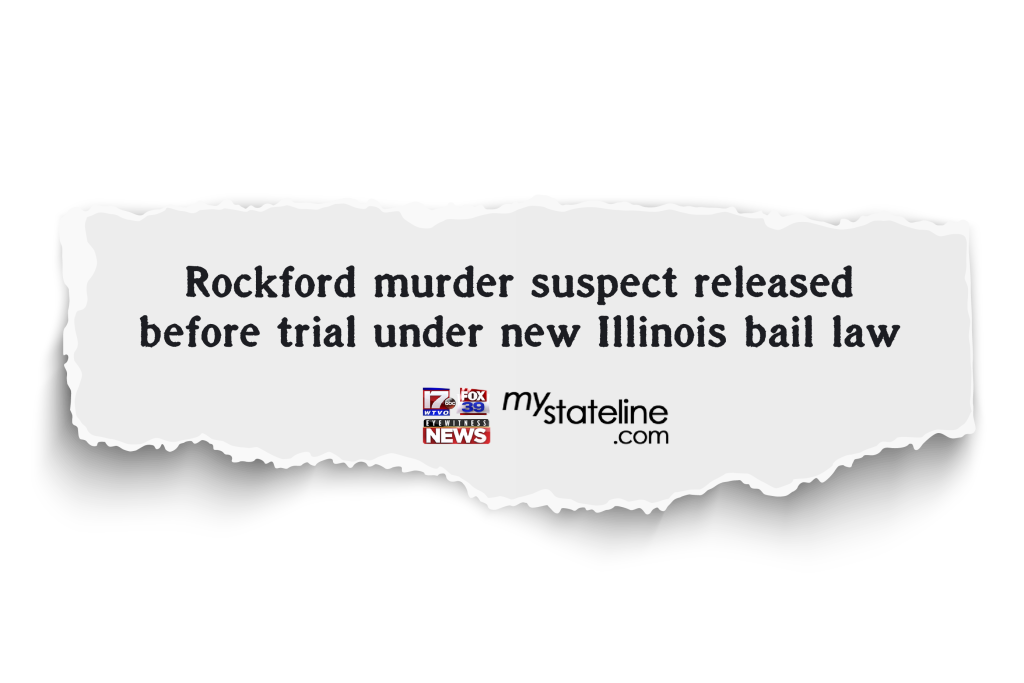
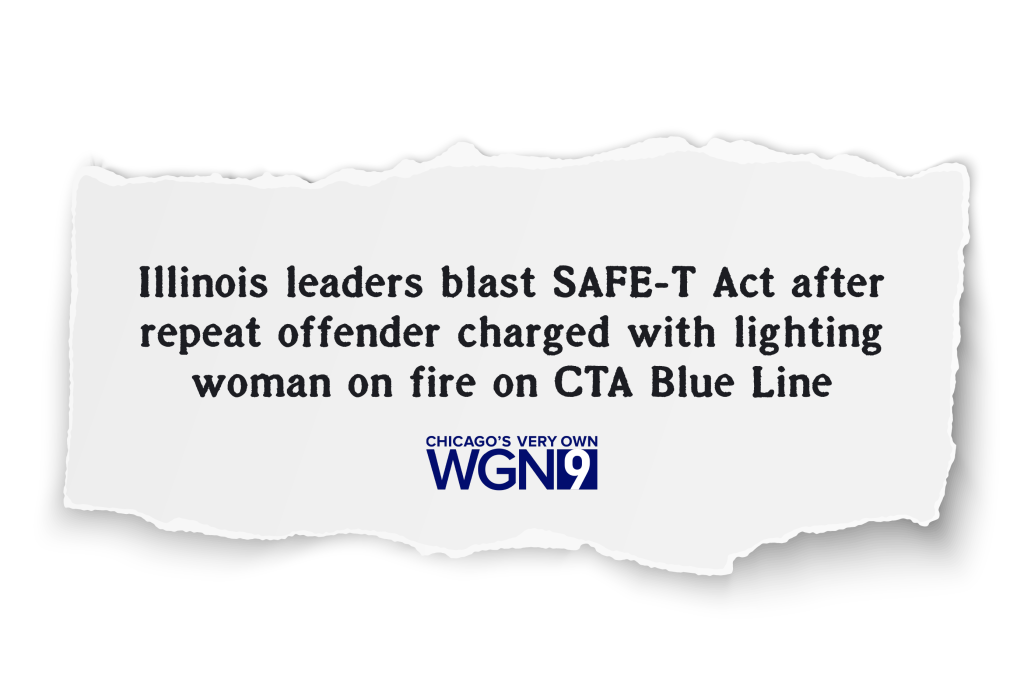
In The News
Man with dozens of arrests charged with attempted murder in CTA Blue Line attack
Milford man injures deputies while resisting arrest, released from custody under SAFE-T act
Plainfield man charged with criminal sexual assault allowed pretrial jail release
Suspect on pretrial release arrested in Fulton County after chase, threat against sheriff’s deputy
Proposed Legislation to Fix The SAFE-T Act
Illinois House Republicans have repeatedly proposed legislation to address the problems created by the SAFE-T Act, offering bipartisan solutions to restore public safety and common-sense criminal justice reforms. However, Democrats in the Legislature have refused to work together, blocking these efforts and leaving many communities without the fixes they’ve been calling for.
HB 4275 (Coffey) – Expands judges’ authority to deny pretrial release for felony and DUI cases when a defendant poses a safety risk or flight risk.
HB 1482 (Windhorst) – Expands the list of offenses for which a defendant can be detained pretrial rather than released.
HB 1483 (Windhorst) – Restores judges’ ability to issue a warrant (rather than a summons) if a defendant fails to comply with pretrial release conditions or fails to appear in court.
HB 1036 (Cabello) – Protects officers who report misconduct, restores certification rights, preserves certain misconduct records, and eliminates anonymous complaints.
HB 1028 (Cabello) – Proposes full repeal of the SAFE-T Act.
HB 1208 (Friess) – Requires automatic revocation of pretrial release if a defendant is charged with any new offense while released, regardless of the offense’s classification.
HB 4006 (Friess) – Restores prior consecutive-sentencing rules and removes custodial credit for time spent in home confinement or electronic/GPS monitoring.
HB 1477 (Windhorst) – Reduces and restricts detainees’ phone-call rights, bars contact with victims, allows statements to be reviewed for voluntariness, and permits arrest for minor offenses to verify identity.
HB 4002 (Ugaste) – Expands when police may issue citations instead of making arrests for low-level offenses while keeping discretion to arrest when safety, continued criminal activity, or health risks are concerns.
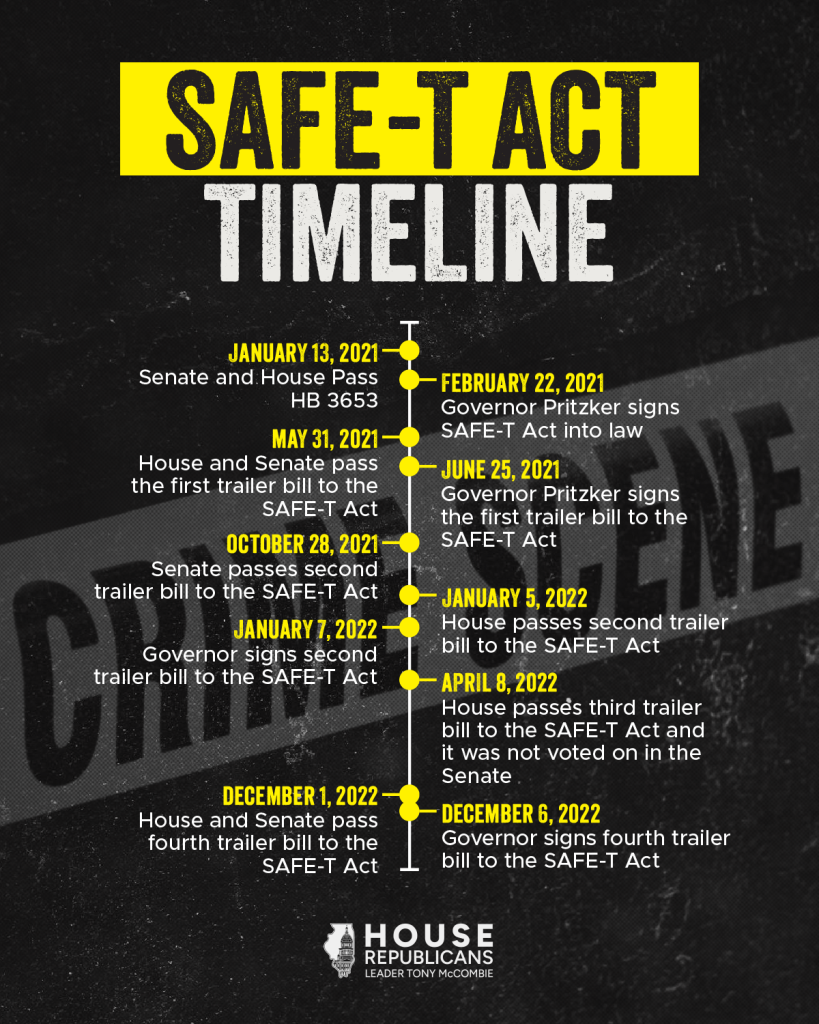
SAFE-T Act Timeline